February 26, 2027
Friday · 9:00 AM – 12:00 PM CT
Register NowJoin from anywhere with an internet connection.

Two short, structured protocols, CID and ATIP, that help a person in acute distress settle enough to think clearly again.
Taught by Kenya Rocha, MS, LMHC, NCC, CCHT, EMDRIA Approved Trainer & Consultant
Anyone whose work puts them next to people in distress. No mental health license and no EMDR training are required. Introductory level.
A structured, teachable way to help a client who arrives flooded settle enough for the session to continue, with protocols the schools, hospitals and first responders around you can use too.
Also built for
Training a school, agency or department together? Ask about a private session
It covers the CID and ATIP protocols, how trauma affects memory, and practical de-escalation.
When someone is flooded by a frightening or overwhelming experience, the emotional brain takes over. Reasoning, planning and even simple conversation become hard to reach.
CIDP gives the person helping them a clear structure to follow. Two protocols, CID and ATIP, use short sets of eye movements to reduce how vivid and emotionally charged the experience feels. As the intensity drops, the person moves back inside their window of tolerance and can take the next step: talk, decide, accept other help.
You learn both protocols through demonstration and guided practice, along with how trauma is stored in memory and practical ways to de-escalate.
Where CIDP helps
Any moment when a person is outside their window of tolerance and needs to settle before anything else can happen.
Join a live virtual session with Kenya, or start the recorded training today.
Friday · 9:00 AM – 12:00 PM CT
Register NowJoin from anywhere with an internet connection.
Wednesday · 9:00 AM – 12:00 PM CT
Registration opens soonJoin from anywhere with an internet connection.
Recorded live on a virtual platform, September 2025
Enroll NowBegin as soon as you enroll, then return anytime from your course portal.
Registering 3 or more people? Get one group invoice: email info@emdrandbeyond.com or call 515.864.8655.
New live dates are announced through our newsletter. The on-demand training is available now.
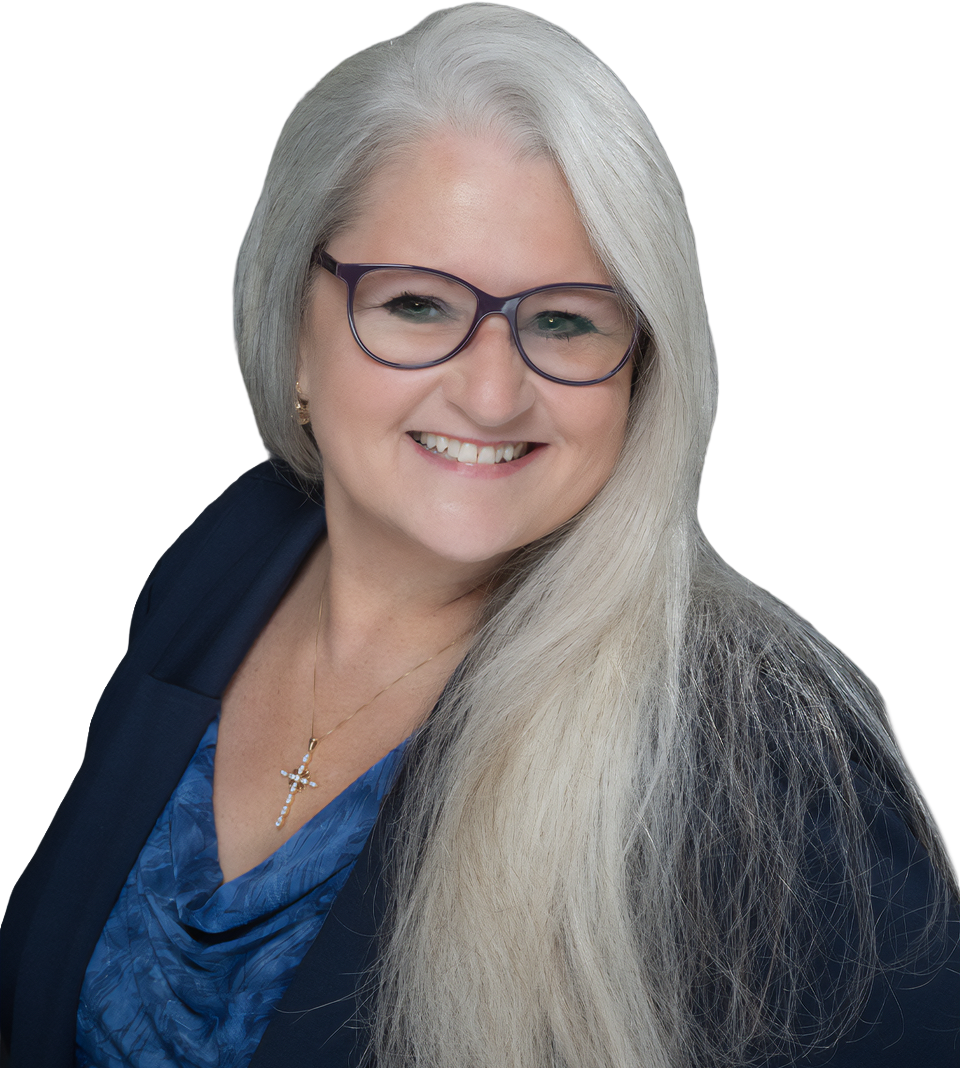
Kenya Rocha, MS, LMHC, NCC, CCHT, EMDRIA Certified Therapist, EMDRIA Approved Trainer & Consultant
Kenya is the Founder and CEO of MOSAIC Family Counseling Center, Inc., where she leads a team of 20+ therapists, and has practiced EMDR for 18+ years.
Her career began in developmental, foster care and bilingual family services. That background shapes how she teaches crisis work: practical, and built for the people who arrive first.
Read Kenya's full bioLive virtual: 3 Iowa continuing education credit hours. On demand: 1.75 Iowa continuing education credit hours. This training offers Iowa continuing education credit only, under the Board of Behavioral Health Professionals (Iowa Department of Inspections, Appeals, and Licensing). It does not carry EMDRIA or APA continuing education credit. You will be provided with a certificate of completion. Licensed professionals should check with their own licensing board to confirm that a program's credit is accepted.
No. CIDP was built for people without mental health training who work with others in crisis: educators, first responders, hospital staff, advocates, case managers and more. Therapists take it too.
CIDP draws on EMDR tools and eye-movement research, and it is a crisis intervention rather than therapy. It helps a person settle in the moment so other support can follow. Clinicians who want to practice EMDR therapy start with EMDR Basic Training.
No. There is no EMDR prerequisite and no license requirement.
Iowa continuing education credit only. It does not carry EMDRIA Credits or APA continuing education credit. If you are licensed outside Iowa, check with your licensing board before you register.
Yes. Participants receive a certificate of completion.
Both cover the same objectives. Live virtual sessions let you practice the protocols and ask Kenya questions in real time. The on-demand option is a recording of a live session you can start whenever you are ready.
Sign in to the EMDR & Beyond course portal with the email you used at checkout.
Join Kenya for a live virtual session, or start the recorded training today.